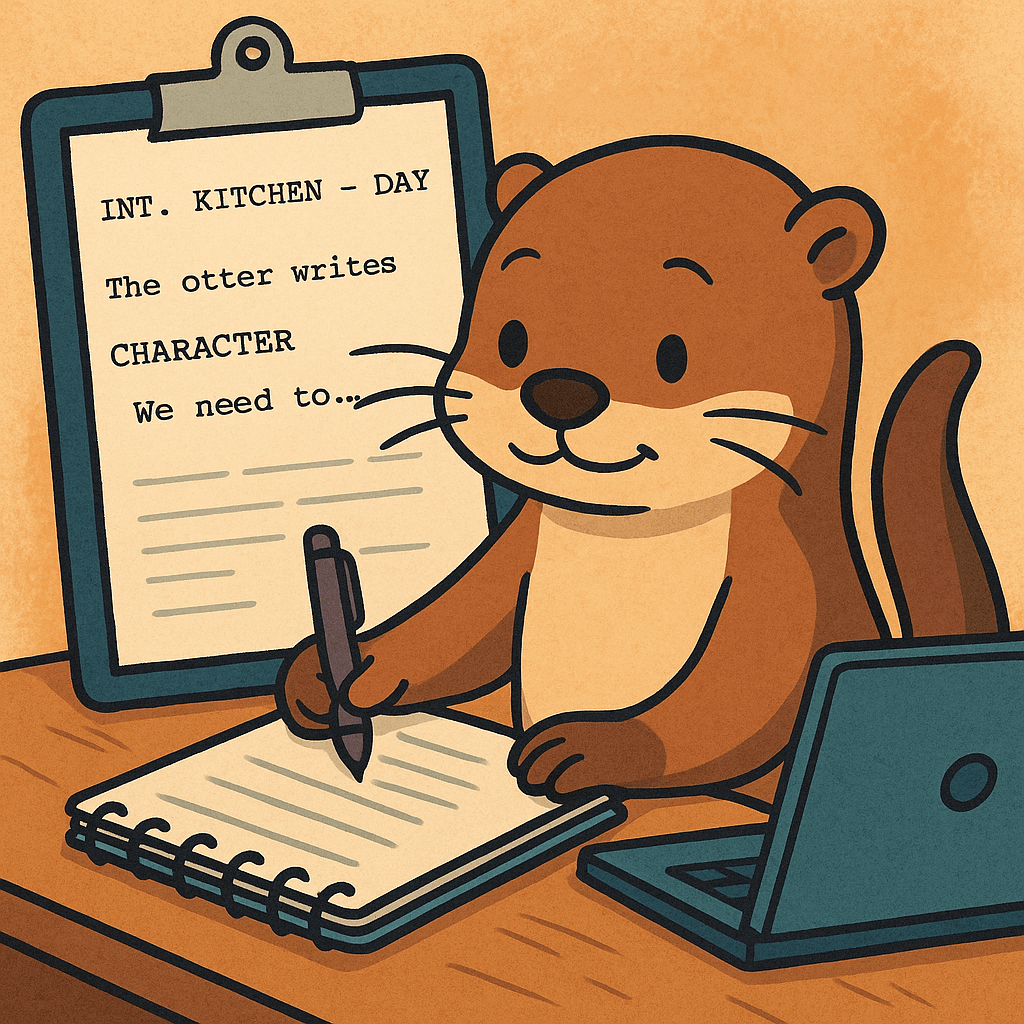
Subtitle: Powerful screenwriting software, but does it help you write your novel?
📚 What Is Final Draft?
Final Draft is industry-standard screenwriting software. It’s used by professionals in film and TV and is known for its formatting, structure tools, and “Hollywood-approved” output.
If you’re a novelist, you might’ve wondered:
Could this help me write a more cinematic book? Or plan better scenes?
Short answer: maybe. But probably not.
✅ What Novelists Might Like:
🧱 1. Built-In Structure Tools
The Beat Board and Story Map let you map scenes visually—great if you think in acts, arcs, and beats.
✍️ 2. Dialogue-First Layout
If you love writing dialogue-heavy fiction, the screenwriting format forces you to focus on the essence of a scene: action and talk.
🎬 3. Helps You “See” Your Story Cinematically
Using Final Draft can push you to think like a director. You’ll start asking: What’s the character doing right now? How does this look and sound? That’s valuable—especially if pacing or action are your weak points.
📁 4. Exports Easily for Adaptations
If you ever plan to adapt your novel into a script—or pitch it—you can repurpose your story into a screenplay faster.
❌ Why It’s Not Great for Novelists:
📖 1. It’s Not Made for Prose
There’s no formatting for paragraphs, internal thoughts, or descriptive narrative. Everything must fit the script mold.
Want to describe a character’s inner turmoil?
Too bad. Final Draft will treat it like bad stage direction.
💰 2. The Price Is Steep
At $199.99 for a full license, it’s overkill unless you’re also writing scripts. There are free or cheap tools more suited to fiction writing (like Scrivener, Atticus, or even Google Docs).
🌍 3. No Cloud-Native Workflow
No real-time syncing across devices unless you DIY with Dropbox. That’s fine in 2005. Less fine now.
📜 4. It’s Rigid
The same things that make it great for screenwriters—strict formatting, limited styles—make it frustrating for novelists. You’ll spend more time fighting the interface than getting words down.
🖊 5. You Can’t Just “Write”
Final Draft isn’t built for flow. It’s built for control. If you’re in the early creative stages, it’s like drafting inside a spreadsheet.
🧠 Verdict for Novelists:
Final Draft is powerful… but not for prose.
If you’re writing a novel, it’s unlikely to help your actual writing—though it might offer some insight into structure or dialogue once your draft is done.
Use it if:
- You’re adapting your book into a screenplay
- You love planning in beats and acts
- You’re experimenting with screen-novel hybrids or writing TV tie-ins
Skip it if:
- You want flow, freedom, or finesse
- You’re drafting your first novel
- You’d rather pay for something built for fiction
🧰 Better Alternatives for Novelists:
- Scrivener – best all-round tool for fiction writers
- Dabble – clean and cloud-based with plotting tools
- Plottr – brilliant for beat sheets and timelines
- Obsidian / Notion – for worldbuilding and interconnected ideas
⭐ Final Thought:
Final Draft is like buying a chainsaw when you really need a fountain pen.
It’s strong. But unless you’re cutting for screen, it’s probably not what you need.
 Writester
Leave a comment