-
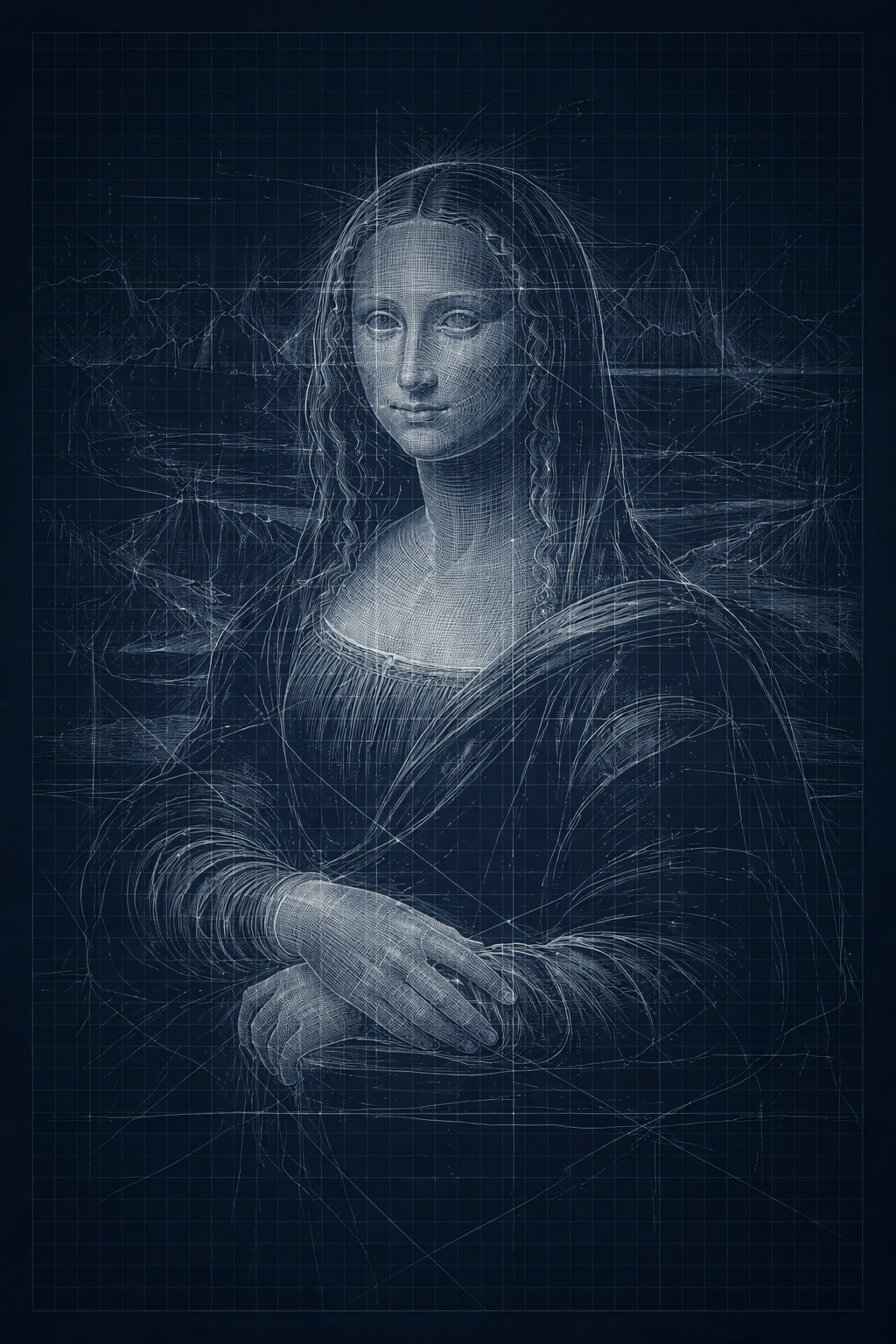 Continue reading →: Building Characters That Carry a Story – The Character Foundation Prompt
Once you’ve got the outline of a story in place, the next step is to give it people who can actually carry it forward. At this stage, it’s tempting to think in terms of description. A name, a bit of backstory, a few personality traits. That’s usually where most character…
-
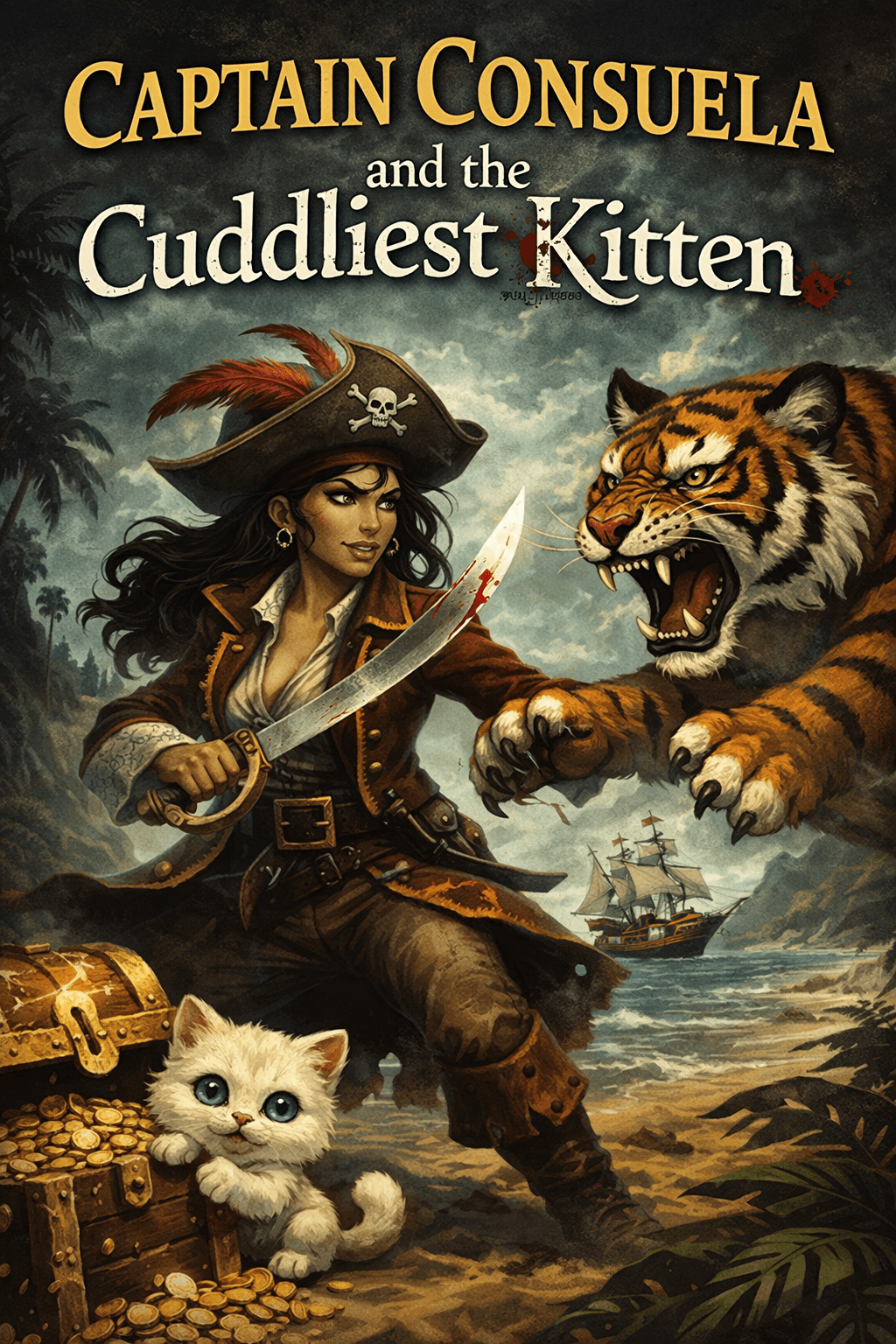 Continue reading →: Novel Blueprint: The Fluffiest Thing in the World
This is the results of the Story Engine Prompt we used in the previous article. I came up with a ridiculous concept on the spur of the moment (one of my favourite things to do) and plugged it into the Writester Storytelling Prompt and I wanted to share the results…
-
 Continue reading →: Using the Story Blueprint Prompt
You’ve Got an Idea. Now What? The last thing we need is for someone to tell their favourite AI programme – “Come up with an idea for a story” or ” Come up with a story about pirates”. But what if you have an idea about a pirate called Consuela…
-
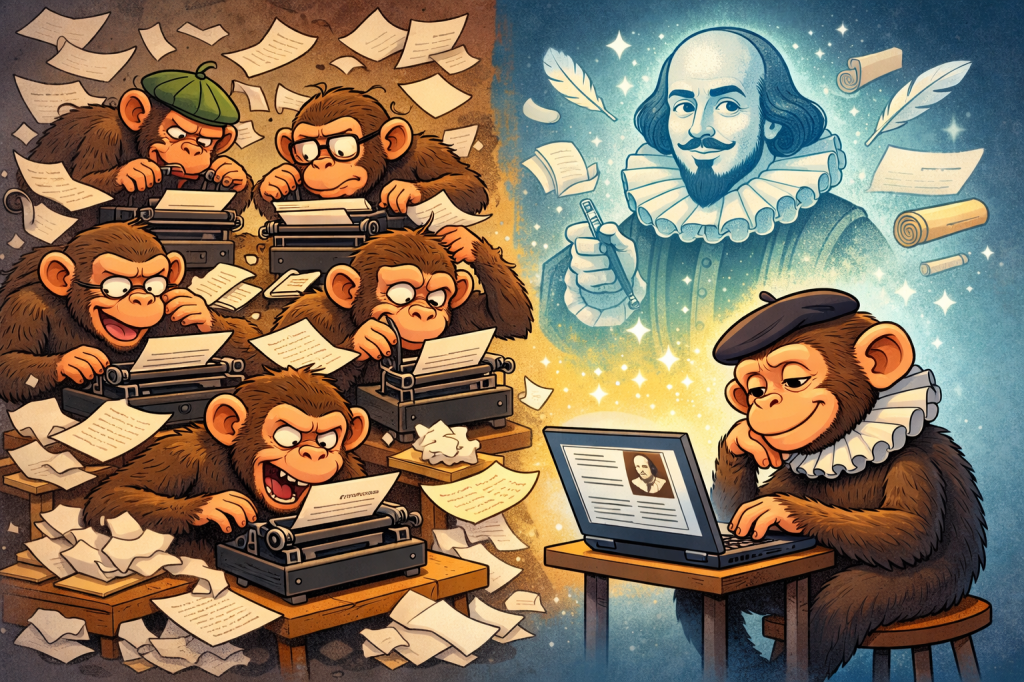 Continue reading →: Welcome to Writester.
You’ve Probably Thought About Writing a Novel Most people have, at some point. Maybe you’ve even started one.A few chapters sitting in a folder somewhere. Or a full draft you’re not quite happy with. Maybe you ran out of time.Maybe you lost momentum.Maybe you just weren’t sure how to take…
-
 Continue reading →: How to Finally Start That Novel You’ve Been Talking About for Years
You know the one.The idea that’s been rattling around your head for months, maybe years. The characters who occasionally show up when you’re doing the dishes. The plot twist you thought of at 2am that still gives you chills. You’ve told friends you’re thinking about writing a book. You may…
-
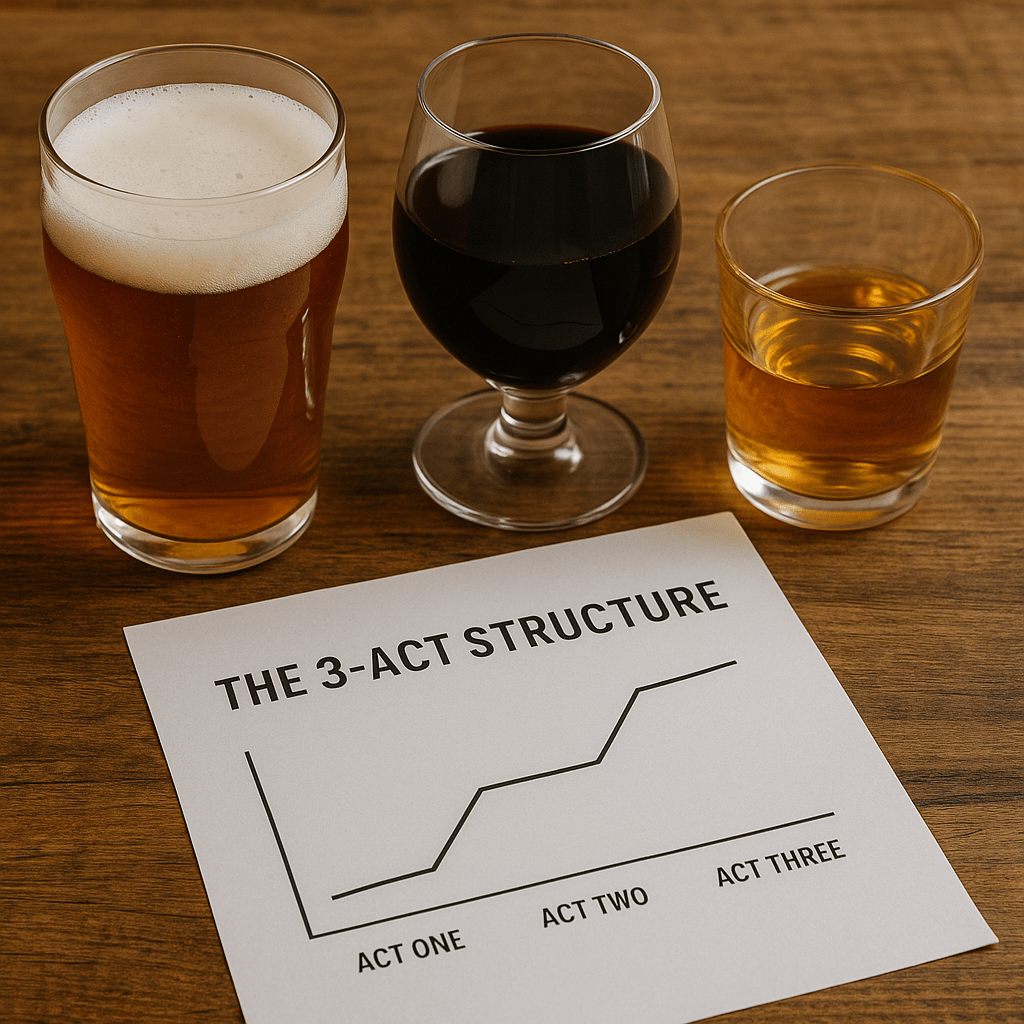 Continue reading →: The 3-Act Structure Explained Like You’re Having a Pint in the Pub
If you’ve read a book, watched a film, or binged a TV series, you’ve already seen the 3-act structure in action — even if you didn’t know it. It’s the skeleton behind most stories, whether it’s Shakespeare or Shrek. But let’s be honest: most explanations of it sound like you’re…
-
 Continue reading →: Your First 5,000 Words: What to Focus On (and What to Ignore)
There’s a moment — usually somewhere between word 1 and 5,000 — when most writers hit that early wobble. You start with a rush of energy, fingers flying, characters taking shape. Then… something shifts. You pause. You reread. You wonder if your main character is boring. If your opening is…
-
 Continue reading →: Plotters vs Pantsers: Which One Are You (and Why It Doesn’t Matter)
If you’ve spent more than five minutes in an online writing group, you’ve probably heard the terms plotter and pantser. And if you haven’t, buckle up — because apparently, your entire writing identity now depends on whether or not you outline. Let’s break it down.No labels. No judgement. Just a…
-
 Continue reading →: Tool Review: Scrivener
Is This the Ultimate Writing App for Authors, or Just Overkill? Scrivener is the name that always seems to pop up in writer circles — often with reverence, sometimes with confusion. It’s one of the most feature-rich writing tools out there, built specifically for long-form projects like novels, screenplays, academic…
-
 Continue reading →: How Long Should Your Book Be? A Word Count Guide I Wish I’d Had
When I first decided to write seriously, one of the first things I Googled — probably while procrastinating actual writing — was: “How long should a novel be?” What followed was a rabbit hole of conflicting advice, vague numbers, and rules that didn’t seem to apply to what I was…
Hello,
Welcome to Writester

So you want to write a book…
Or maybe you’ve started one. Or thought about it. Or told your friends you might write something one day if life ever slows down (it won’t).
Wherever you are on the writing path — if you’re new to the craft, this space is for you.
Join the fun!
Stay updated with our latest tutorials and ideas by joining our newsletter.
 Writester